SEO meta description: Discover what Barnabas in the Bible teaches about biblical mentorship, building leaders’ platforms, and practicing kingdom leadership without chasing credit.
Suggested slug: barnabas-in-the-bible-son-of-encouragement-leadership
Most leaders know how to gather an audience. Fewer know how to build another person’s platform without guarding their own.
That gap shows up in workplaces, schools, ministries, and creative teams. A promising colleague gets held back because their growth might threaten someone else’s influence. A new hire has talent but no access. A capable teammate makes one mistake and is quietly written off.
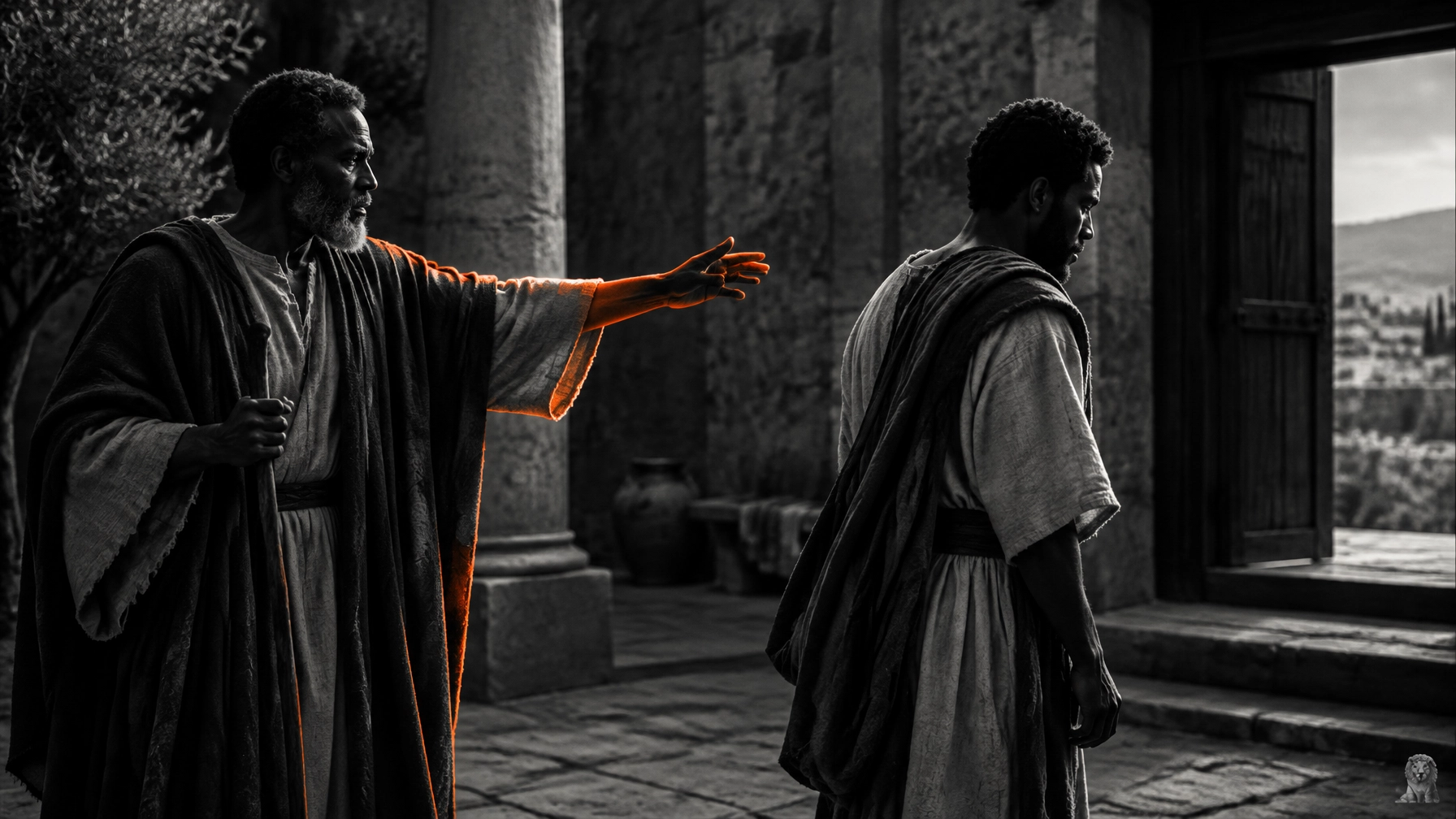
The account of Barnabas (Bar-Nabas, “son of encouragement” or “son of consolation”) offers a different leadership architecture. He spent credibility on a distrusted convert, went looking for raw talent, taught alongside a rising leader, and advocated for a teammate who had failed. His encouragement was not flattery. It was practical, costly investment in people.
Acts calls him “a good man, full of the Holy Spirit and of faith” (Acts 11:24). That character gave his influence weight. For leaders building teams and organizations today, Barnabas offers a durable protocol: build people, share access, and let the work grow larger than your name.
The Avodah Ecosystem calls this Work Is Worship: carrying faith, integrity, and disciplined action into the work of every day. Vision without execution is fantasy.
1. Spend your credibility as currency
When Sha’ul of Tarsus came to Jerusalem after his conversion, the disciples feared him. They had reason: he had persecuted believers. Sha’ul’s account of change did not immediately erase their memories.
Barnabas stepped into that trust gap. He took Sha’ul to the apostles and testified to what had happened and how boldly he had preached (Acts 9:26–30). He didn’t pretend the past was irrelevant. He helped the community assess the person in front of them.
That is what credible sponsorship looks like: offer a clear, honest account of someone’s strengths and growth, then accept responsibility for making the introduction. In a hiring process, it might mean presenting evidence of a candidate’s capacity and naming the support they will need. In a team, it might mean making space for a colleague’s proposal when others are still defining them by an old mistake.
Do not vouch blindly. Verify what you can, speak truthfully, and know what your endorsement means. Your credibility is not a casual compliment; it is a bridge to opportunity.
2. Recruit raw talent before it is polished
Barnabas did not stop at reassuring the Jerusalem leaders. When the church in Antioch needed teaching, he went to Tarsus to find Sha’ul, brought him to Antioch, and worked alongside him there for a year (Acts 11:22–26).
That detail carries a leadership lesson: Barnabas went looking. He recognized that the work needed a particular gift, then crossed distance to bring that capacity into the room. He was not waiting for talent to become visible to everyone else first.
Leaders can apply the same discipline. Identify the capability your team is missing. Look beyond the most obvious networks. Consider emerging professionals, first-generation builders, and people whose performance is strong even if their polish is still developing. Then give them a defined assignment, useful feedback, and access to the people and tools that can help them grow.
Potential is not a substitute for performance. But performance is not always visible before someone gets a real chance to contribute.
For a deeper framework on developing talent, read The Mentor Protocol.
3. Build the teaching platform and share the mic
At Antioch, Barnabas and Sha’ul taught together for a year. The account does not portray leadership development as a single introduction followed by a quick handoff. It shows shared work: teaching, serving a growing community, and building capacity together (Acts 11:25–26).
The architecture matters. A person may need more than access to a meeting; they may need meaningful work beside someone who can model the standard. Give emerging leaders real responsibility, context for decisions, and space to contribute their own voice.
That means sharing the platform, not simply placing someone’s name on a program. Invite them to lead a section, present the findings, teach the process, or own a decision with clear boundaries. Make their contribution visible to the people who can open the next door.

A good co-teaching relationship does not diminish the senior leader. It expands the capacity of the room.
4. Lead from the second chair on purpose
In Acts 13, the Antioch community sets apart Barnabas and Sha’ul for work. Barnabas is named first at the outset (Acts 13:2). Later in the chapter, the account increasingly refers to “Paul and Barnabas” (Acts 13:42–50). The text does not give a private explanation of every leadership transition, but the shift makes one point plain: Barnabas continued serving as the work expanded, even as Paul’s public prominence grew.
That is a demanding form of leadership. It asks you to distinguish the mission from your personal visibility. When a colleague is better suited to carry a particular message or lead a new phase, give them room to do it. Introduce them, share the context, and resist the urge to reclaim the spotlight at the first sign of their success.
Second chair does not mean silent, passive, or without authority. It means contributing deliberately without treating every moment as a contest for rank. Effective teams need leaders who can initiate, support, challenge, and step back according to what the work requires.
Explore the operating principles in The Delegation Protocol.
5. Reinstate the failed, and set a real path back
Later, Barnabas wanted to take Yochanan-Mark on another journey. Paul opposed the decision because Mark had withdrawn from an earlier mission (Acts 13:13; 15:36–41). The disagreement became sharp, and they went separate ways: Barnabas took Mark; Paul traveled with Silas.
Acts does not tell us that Barnabas’s approach was automatically right in every detail, or that the conflict had no cost. It does show him willing to advocate for someone whose previous performance had given others reason to hesitate. Later, Paul asks Timothy to bring Mark, calling him “useful to me for the ministry” (2 Timothy 4:11).
A comeback is not the same as ignoring failure. It requires a clear account of what went wrong, honest ownership, support, and a role in which trust can be rebuilt. If a teammate has failed publicly, do not reduce them to the failure. Assess the harm and the pattern; make amends where needed; then define what evidence, coaching, or safeguards would make another opportunity responsible.
Barnabas’s example gives leaders permission to hold two truths together: accountability matters, and a person’s worst season may not be their final measure.
6. Fund the mission with your own assets
Before Barnabas became a sponsor of people, he demonstrated generosity with resources. Acts 4:36–37 says he sold a field and brought the proceeds to the apostles to support the community. Immediately after, Acts contrasts his open-handed action with Ananias and Sapphira’s deceit about their gift (Acts 5:1–11).
The point is not that every leader should sell property. It is that Barnabas’s encouragement had material substance. He was willing to contribute what he owned to meet a real need. His public actions aligned with his words.
For today’s leaders, funding the mission can mean more than writing a check. It may mean sharing budget, equipment, time, expertise, introductions, or paid opportunities. Ask what is blocking a capable person or a valuable project. Then decide what resource you can responsibly release to remove that barrier.
Generosity should be wise and transparent. Stewardship is not performative sacrifice; it is using what you hold to serve a purpose beyond your own recognition.
7. Let “encourager” become your reputation
Barnabas’s title was not “most visible leader” or “person with the biggest platform.” The apostles called him Bar-Nabas. Luke’s account connects him with encouragement, discernment, generosity, and the courage to recognize potential. His reputation was built through repeated choices, not a single inspiring speech.
That gives leaders a practical standard. Do people leave your presence with clearer expectations, more honest feedback, or a stronger next step? Do you share credit accurately? Do you create opportunities for others to practice leadership, not just watch you do it?
Encouragement is not soft leadership. It is the disciplined work of helping people become more capable while keeping the mission clear. It requires boundaries, discernment, and follow-through.
At Avodah Dynamics, we are reclaiming the Monday-to-Saturday hustle as a masterclass in biblical leadership development and christian lifestyle for a higher purpose.
Work Is Worship when ambition stays aligned with integrity and stewardship. Built Different. Called to More. Become an Avodahian: someone who turns purpose into consistent practice and helps other people do the same.
A practical next step
If you are ready to build consistent habits, strengthen your execution, and move with purpose, explore the Tribal Challenge. For a practical planning resource, the Builder Blueprint is another path to help translate vision into clear next steps.
Sound for the Monday-to-Saturday build
Barnabas’s example is a reminder that leadership takes rhythm: listening, discerning, building trust, and doing the work when no audience is watching. Set the tone for your Monday-to-Saturday hustle with Avodah Sound’s FREQU3NCY playlist on SoundCloud. Visit avodahsound.com to explore more.
Wrap: Build a platform that can carry more than your name
Barnabas used his credibility to open doors, his discernment to identify talent, and his generosity to strengthen a community. He shared the teaching work, made room for another leader’s voice, and stood by Yochanan-Mark after a difficult failure. None of those choices required him to disappear. They required him to keep the work larger than his personal recognition.
That is the Barnabas Protocol: build people with the same care you bring to building the platform. The strongest leadership is not measured only by who follows you. It is also measured by who becomes more capable because you made room.
Read alongside The Multiplication Protocol, The Succession Protocol, and What Is a Kingdom Builder?.

FAQ: Barnabas and building leaders
How do I promote someone more talented than me?
Promote the work, not your insecurity. Name the person’s specific strengths, give them real responsibility, and make their contribution visible to decision-makers. Your leadership is not reduced when someone else grows.
Should I vouch for a risky hire?
Only vouch for what you can honestly support. Check their skills and references, describe both strengths and known gaps, and agree on a role, expectations, and support plan. Sponsorship is not a guarantee; it is responsible advocacy.
How should I handle credit when someone on my team succeeds?
Credit contributions accurately and publicly. Let the person explain their work, and do not present their achievement as your own. You can still be accountable for the team’s overall results without claiming every individual win.
What should I do when a teammate fails publicly?
Address the impact directly. Establish what happened, who was affected, and what needs to change. Then decide whether a return is appropriate and set measurable conditions for rebuilding trust. Accountability and restoration can work together.
How do I build a reputation as an encourager?
Make your encouragement specific and useful. Notice good work, give direct feedback, open doors where appropriate, and follow through on commitments. Over time, people will know you not just for praise, but for helping them grow.
Leave a Reply